Exercise No. 6: Control rod worth calibration

Purpose of experiment

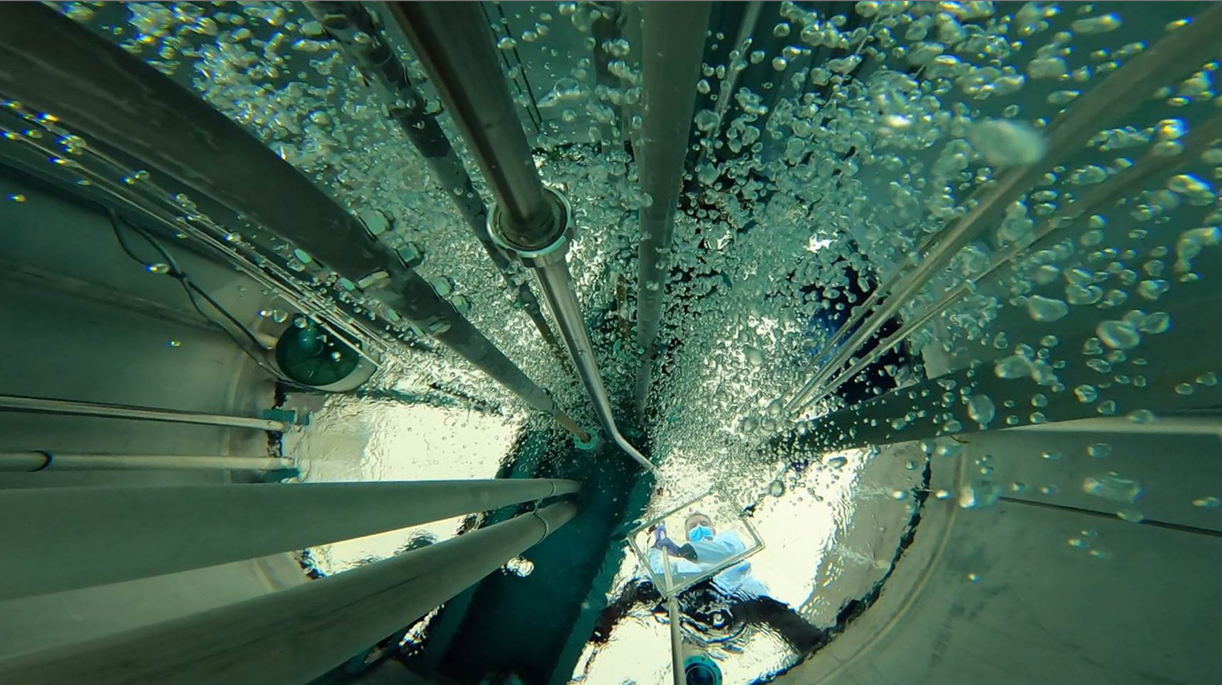
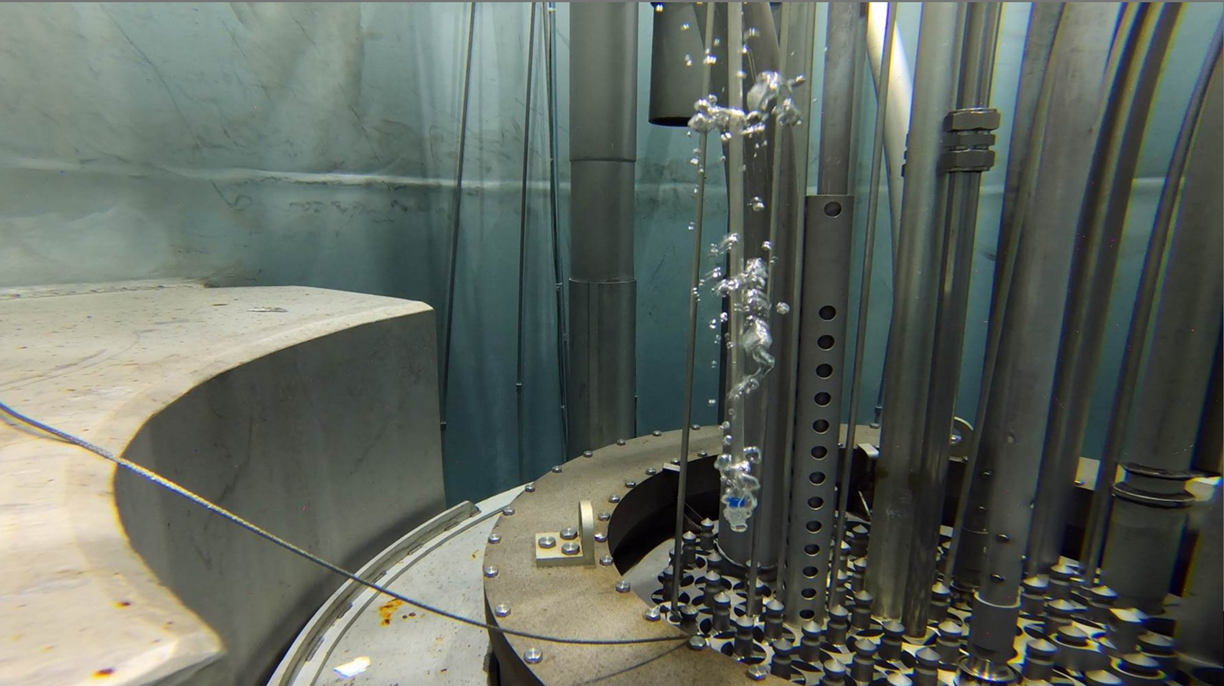
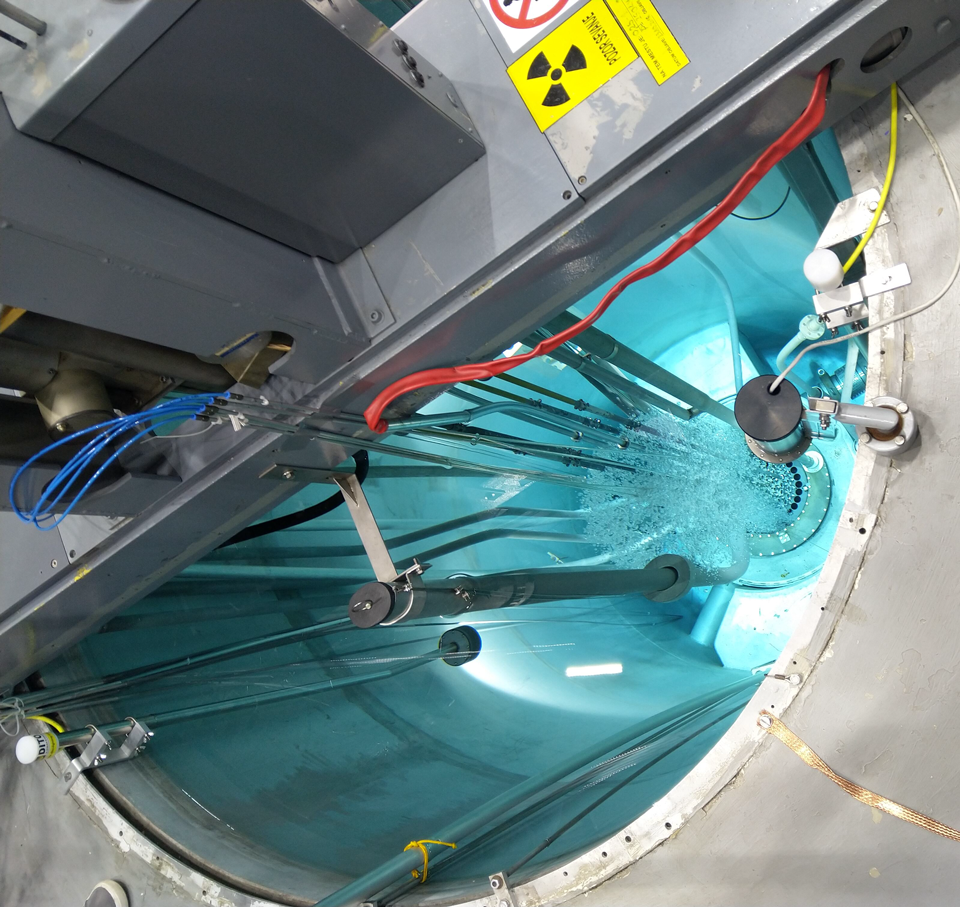
The void coefficient of reactivity is one of the most important coefficients of reactivity for safe reactor operation. The JSI TRIGA reactor is equipped with an electro-pneumatic system with which air can be injected into the reactor core to simulate void formation through boiling. The purpose of the experiment is the measurement of the magnitude of the void coefficient as a function of the radial location in the reactor core.

Outcome / What you will learn
Students will:
  1. observe the change in reactivity caused by the presence of air bubbles in the reactor core
  2. understand the magnitude and sign of the reactivity coefficient, depending on the location in the reactor core where air bubbles are injected
Execution

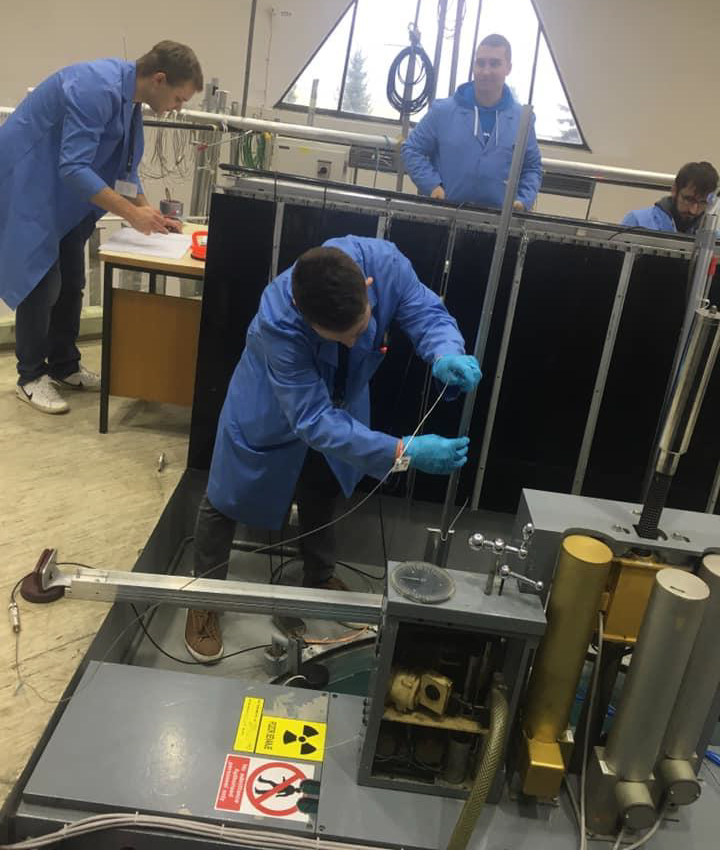
The task of the exercise is to measure the void coefficient of reactivity by introduction of void into several different positions in the core. The total volume of the voids is estimated on the basis of the flow rate, which is measured by the electro-pneumatic system. The magnitude and sign of the void coefficient of reactivity is determined and visualized on the spot, in dependence on the position on the reactor core.
Exercise No. 5: Control rod worth calibration

Purpose of experiment

The negative reactivity induced by control rod insertion is a parameter of key importance for safe reactor operation. The relation between the control rod position and reactivity is non-linear, therefore the control rod worth calibration curves are of great assistance to the reactor operator, enabling the estimation of the shutdown margin and critical control rod positions. The purpose of the experiment is a demonstration of several methods of control rod worth calibration.

Outcome / What you will learn
Students will:

  1. gain knowledge on the dependence of the negative reactivity on the depth of the control rod insertion (integral worth)
  2. gain knowledge on the control rod worth at different positions (differential worth)
  3. learn how to experimentally calibrate control rods using the rod swap and dynamic rod insertion methods.
Execution

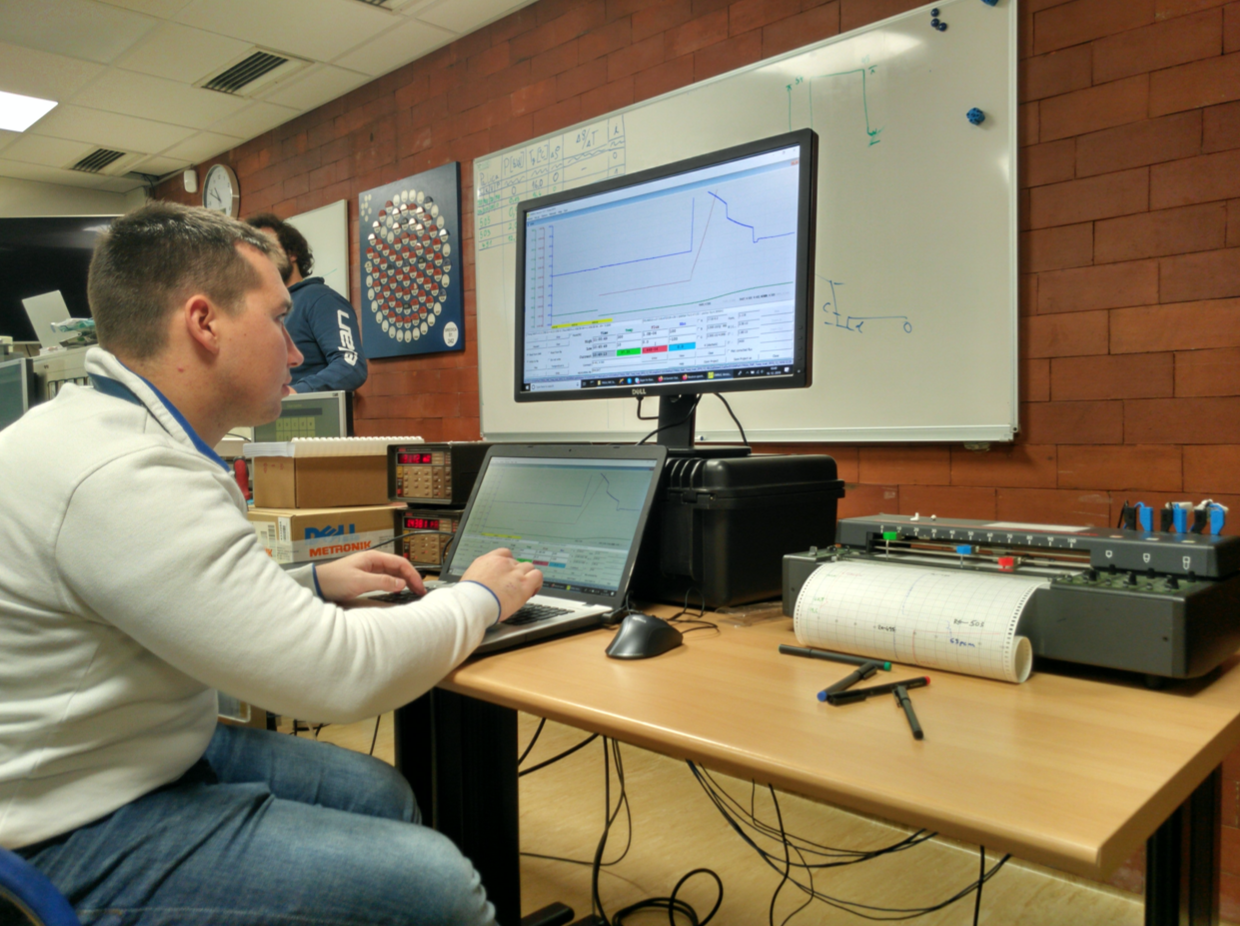
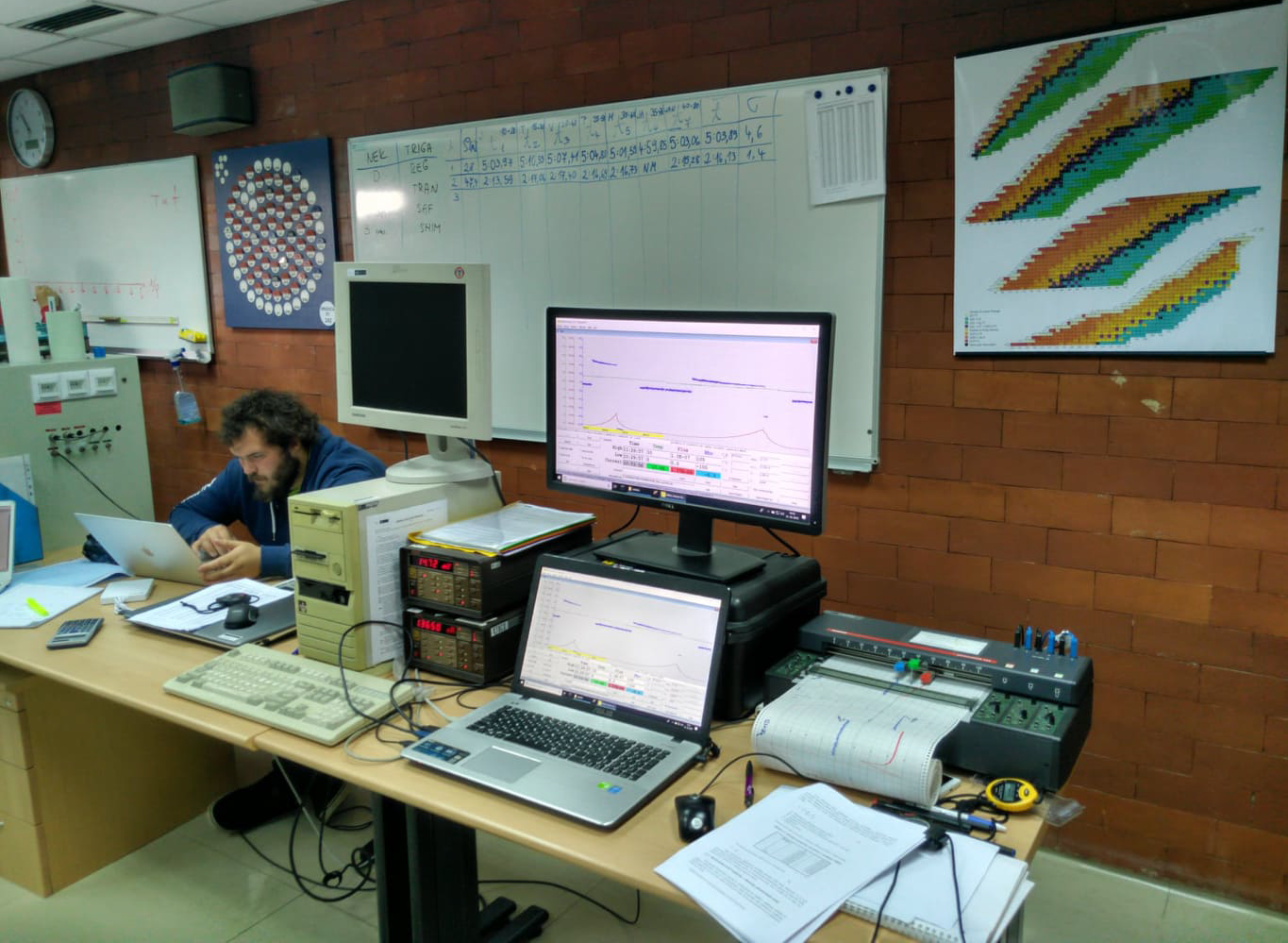
After discussion of the basic concepts, students determine the integral and differential worth curve for a chosen control rod (e.g. the regulating rod of the JSI TRIGA reactor) using the rod swap method and the dynamic rod insertion method. In each step of the rod swap procedure, students predict the magnitude of the changes in reactivity due to insertion / withdrawal of the measured / calibrated control rod, and analyse the results on the spot. In the dynamic rod insertion method, students coordinate and time the measurement sequence and analyse the results.

Exercise No. 3: Fuel temperature coefficient of reactivity

Purpose of experiment

A negative fuel temperature reactivity feedback effect is of key importance in inherently safe reactor design. The purpose of the experiment is to measure the fuel temperature reactivity coefficient of the TRIGA reactor, i.e. the reactivity change due to a change in the fuel temperature.

Outcome / What you will learn
Students will:

  1. discuss the physical principles governing fuel temperature reactivity feedback
  2. observe the response of the reactivity, fuel temperature and reactor power, in a sequence of swift changes in reactivity, caused by the movement of a control rod
  3. understand the feedback effect of the fuel temperature on the reactivity and the power of a reactor – this being a prerequisite for understanding the temperature and power reactivity defects.
Execution

After discussion on the physical principles governing the fuel temperature reactivity effects, students determine the fuel temperature coefficient of reactivity as a function of the fuel temperature, and the power coefficient of reactivity as a function of power.

Exercise No. 2: Reactor response to step reactivity changes

Purpose of experiment

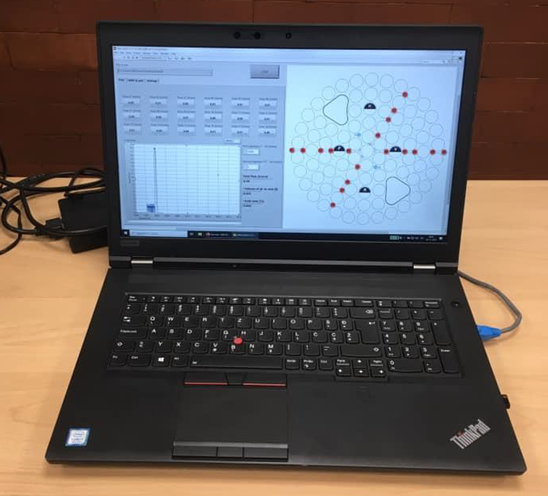
The purpose of the experiment is to demonstrate the principles of reactor kinetics at low power levels and in the operating power level range by inducing step reactivity changes. The reactor power response to reactivity changes is analysed with the aid of a digital reactivity meter and simple theoretical kinetics models.

Outcome / What you will learn
Students will:

  1. observe and understand the reactor power and period response to a sudden reactivity change at zero power and in operating power level range
  2. experimentally determine the point of adding heat (POAH)
  3. experimentally verify the physical models describing the reactor kinetics by observing the reactor response to step reactivity changes.
Execution

After an initial discussion, students observe the reactor power and asymptotic period response to sudden (step) reactivity change in different power ranges: in the low (zero) power range and in the operating power range. The dependence of the reactor period vs the magnitude of the reactivity is measured and compared with theoretical predictions. The point of adding heat (POAH) of the reactor is determined experimentally.

Exercise No. 1: Critical experiment

Purpose of experiment

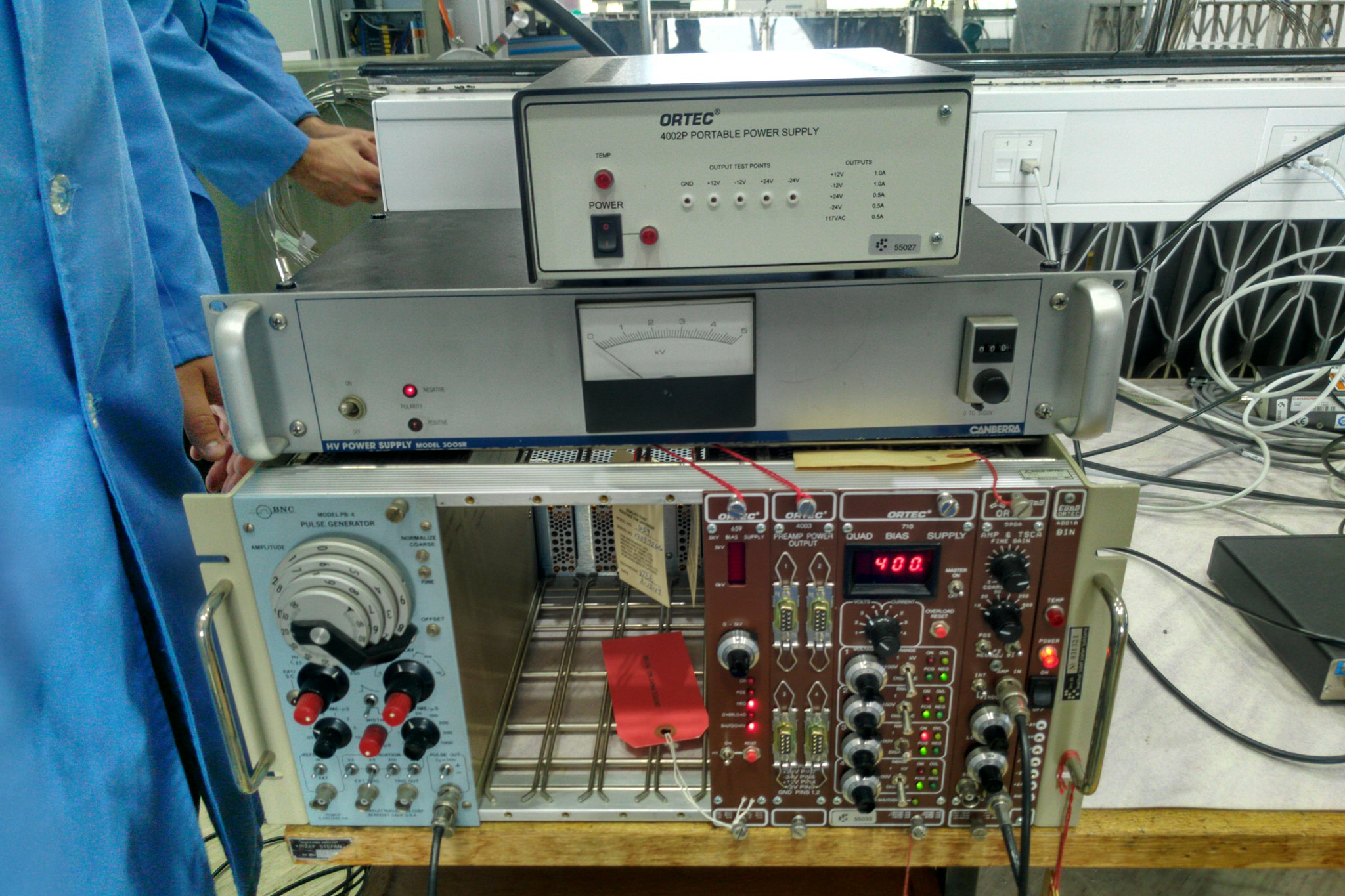
The critical experiment is one of the fundamental experiments in Reactor Physics. Its main purpose is to determine the critical number of fuel elements and / or control rod positions in a critical assembly. The experiment is regularly performed both at experimental and power reactors after each core modification. The purpose of the experiment is to demonstrate the procedure to reach criticality starting from a deeply subcritical state in a controlled sequence.

Outcome / What you will learn
Students will:

  1. become aware of the importance of the critical experiment
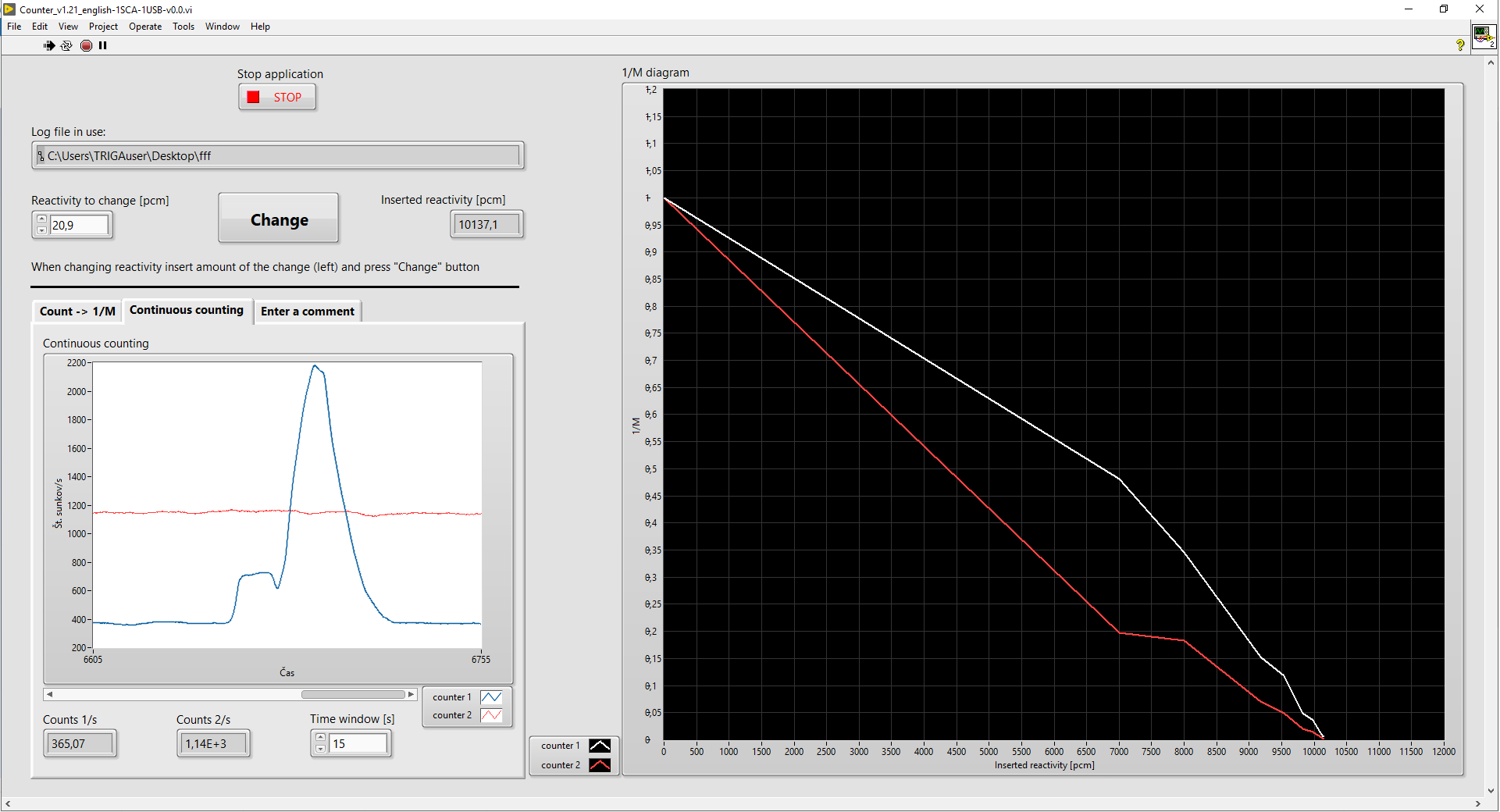
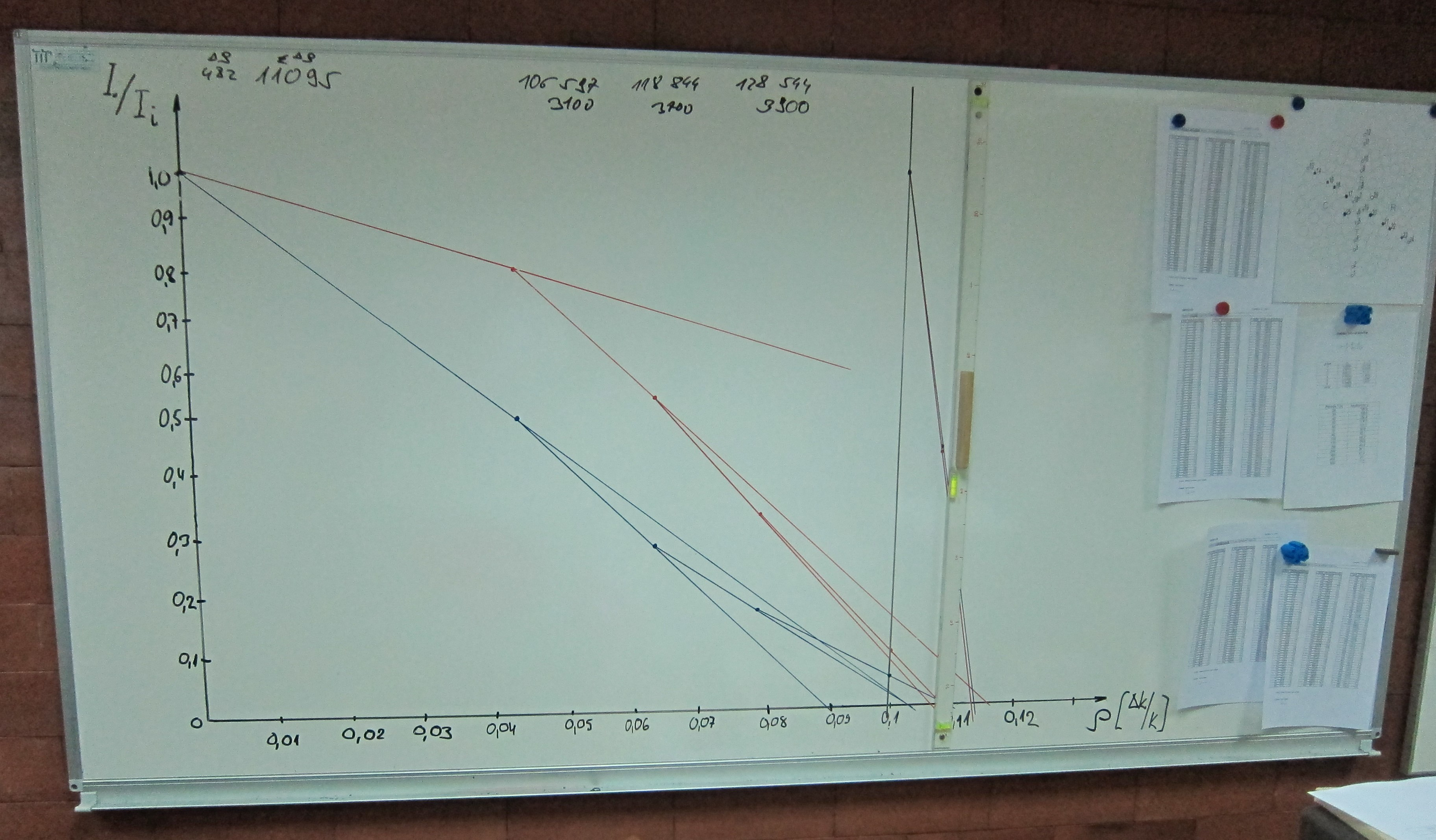
  2. perform the critical experiment by control rod withdrawal and plotting of the M-1 diagram as a function of reactivity insertion
  3. observe the transients present when approaching criticality and examine the validity of neutron kinetics models in subcritical state.
Execution

Students perform the critical experiment via gradual control rod withdrawal, measurement of the neutron signal on the starting channel and plotting the M-1 diagram. At every step, students estimate the critical control rod position by extrapolation. To experimentally confirm if the achieved state is subcritical, critical or supercritical, the neutron source is withdrawn from the reactor core following multiple steps, and the time dependence of the neutron source is monitored on line.